Stability is one of the most critical safety factors in forklift operation. Whether lifting heavy pallets or raising loads to significant heights, a forklift must remain balanced to avoid dangerous tip-overs. A sudden shift in weight, especially during turns, stops, or on uneven terrain, can lead to severe accidents and costly equipment damage if the machine isn't properly counterbalanced.
That's where the counterweight comes into play. Built into the rear of most forklifts, the counterweight is a mass designed to offset the forward tipping force of the load. Balancing the forklift's center of gravity helps maintain control and stability during lifting, tilting, and driving.
This article explains how counterweights function, why they're vital to forklift safety, how they're engineered to suit different forklift models, and what can go wrong when they're damaged, removed, or improperly modified.
What Is a Forklift Counterweight?
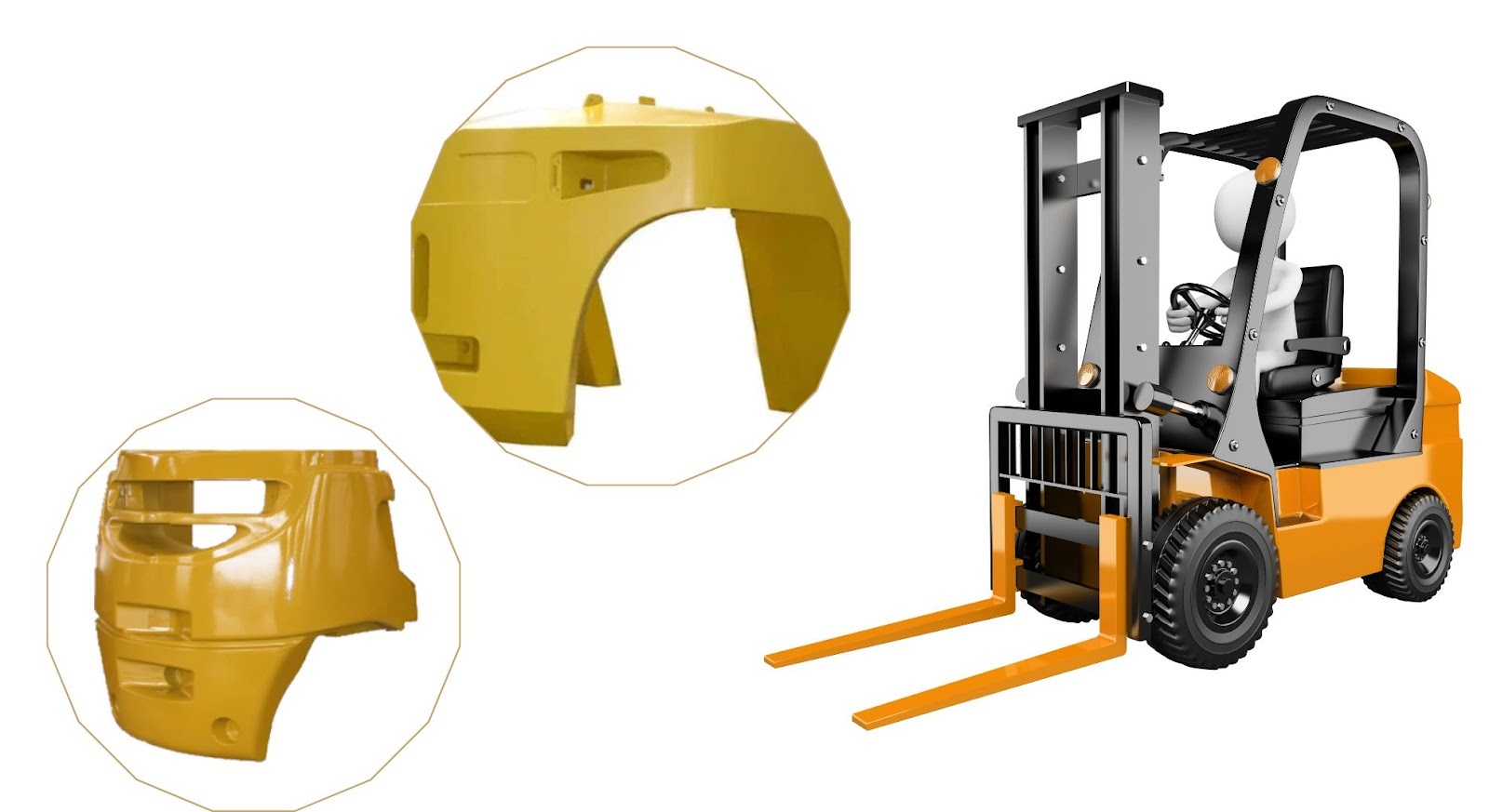
A forklift counterweight is a heavy mass positioned at the rear of the forklift, opposite the forks. Its core function is to balance the weight being lifted at the front. When a load is raised, the counterweight resists the forward tipping force by redistributing the overall center of gravity toward the middle of the machine, within the forklift's stability triangle.
Most counterweights are constructed from dense materials, such as cast iron or steel; however, some manufacturers use lead or composite materials to achieve a high mass within a compact shape. These blocks are typically integrated into the rear chassis of the forklift, forming a crucial part of the truck's structure.
In electric forklifts, the battery pack often doubles as the counterweight. These battery units are hefty, providing the necessary balance while also powering the machine.
Without a correctly sized and securely mounted counterweight, a forklift can become dangerously unstable. Each model is carefully engineered to match its counterweight to its rated lift capacity, ensuring that the vehicle operates safely under load.
How Counterweights Contribute to Forklift Stability?
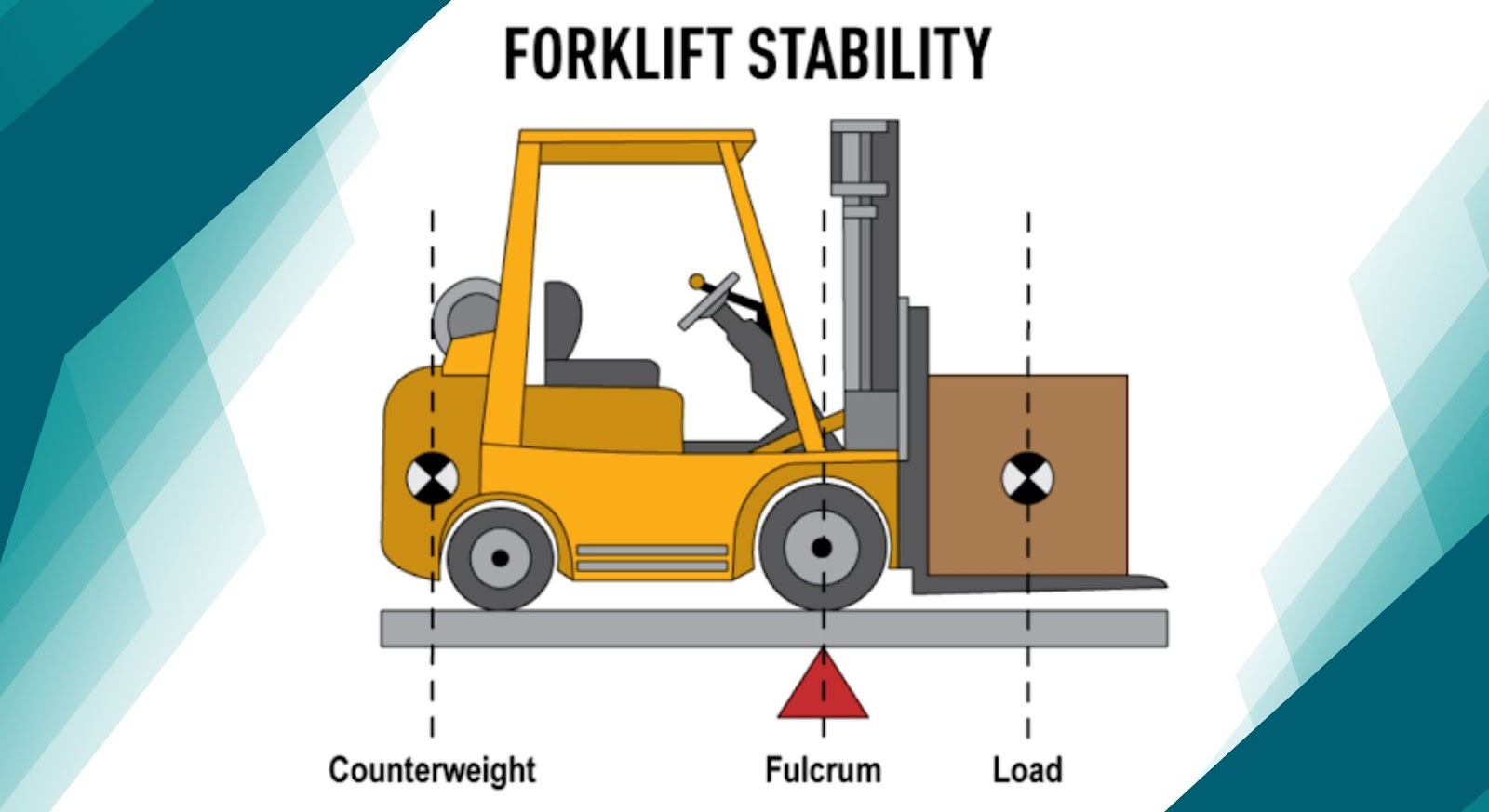
The Stability Triangle Explained
Every forklift operates within a stability triangle, formed by the front axle and a line across the rear wheels. As long as the forklift’s center of gravity stays inside this triangle, it remains upright and balanced, even under load.
Counterweight’s Role in Balance
When a load is lifted, especially a heavy one, the center of gravity naturally shifts forward. The counterweight, positioned at the back of the forklift, compensates by pulling the balance point rearward. This ensures the forklift doesn’t tip forward while raising or carrying loads.
Lateral Stability During Turns and Ramps
Stability isn’t just about lifting. During sharp turns, driving on ramps, or stopping abruptly, the counterweight keeps the rear wheels grounded. This adds traction and lateral stability, helping the forklift maintain control and avoid rollovers.
Counterweight Design and Material
Common Materials Used
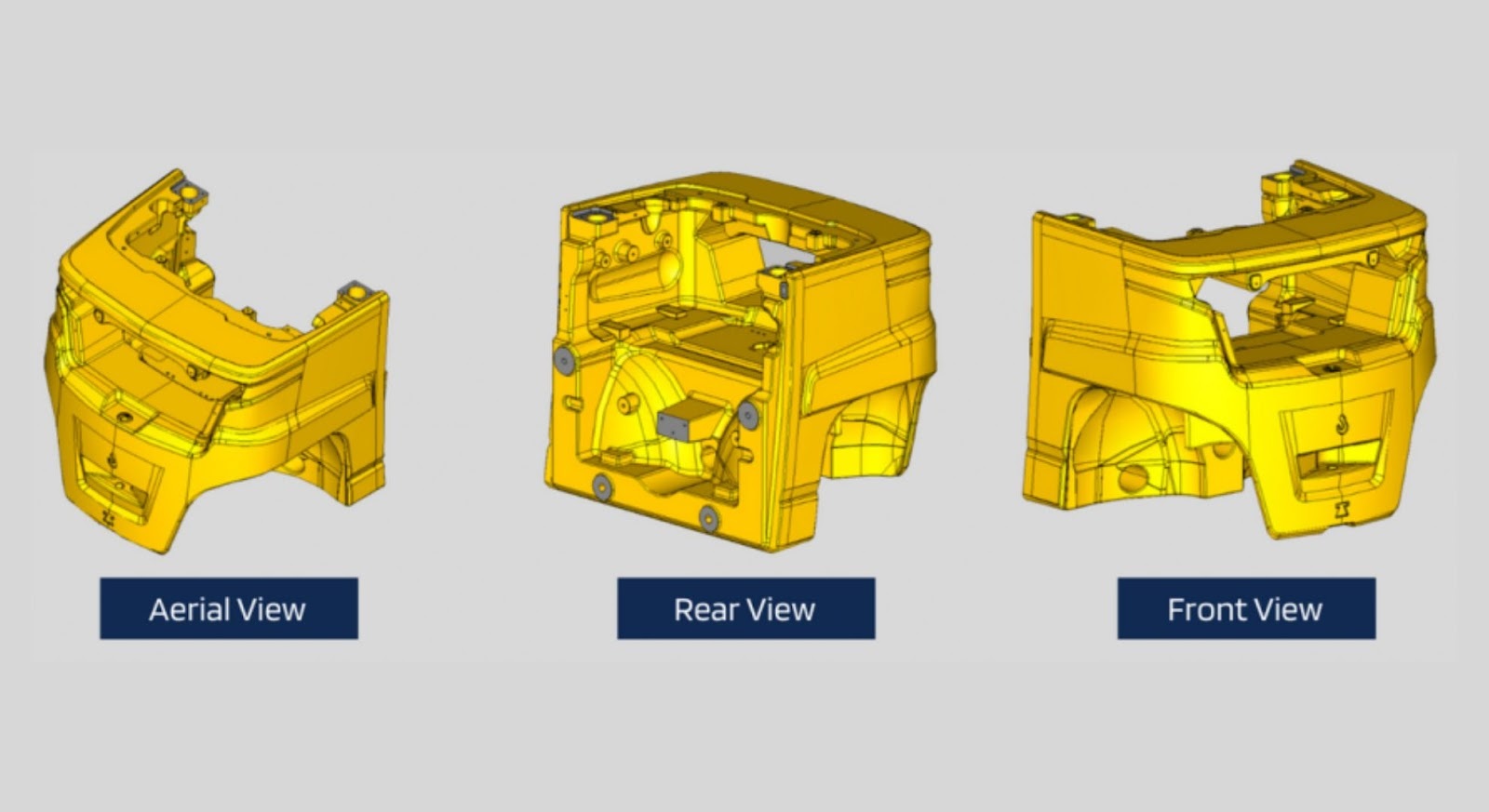
Forklift counterweights are typically made from cast iron, steel, or lead—all chosen for their high density. In some industrial settings, concrete-filled weights may be used as a budget option, though they’re less durable over time.
Integrated vs. Removable Counterweights
Integrated counterweights are built into the forklift chassis for permanent balance.
Removable or bolt-on counterweights provide flexibility, making them ideal for applications that require weight adjustments or compliance with transport regulations.
Engineered for Safety and Load Capacity
Each counterweight is precisely engineered to match the forklift’s rated load capacity, mast configuration, and center of gravity specs. Modifying the counterweight without professional guidance can lead to inaccurate load handling and unsafe operating conditions.
What Happens If a Counterweight Fails or Is Modified Improperly?
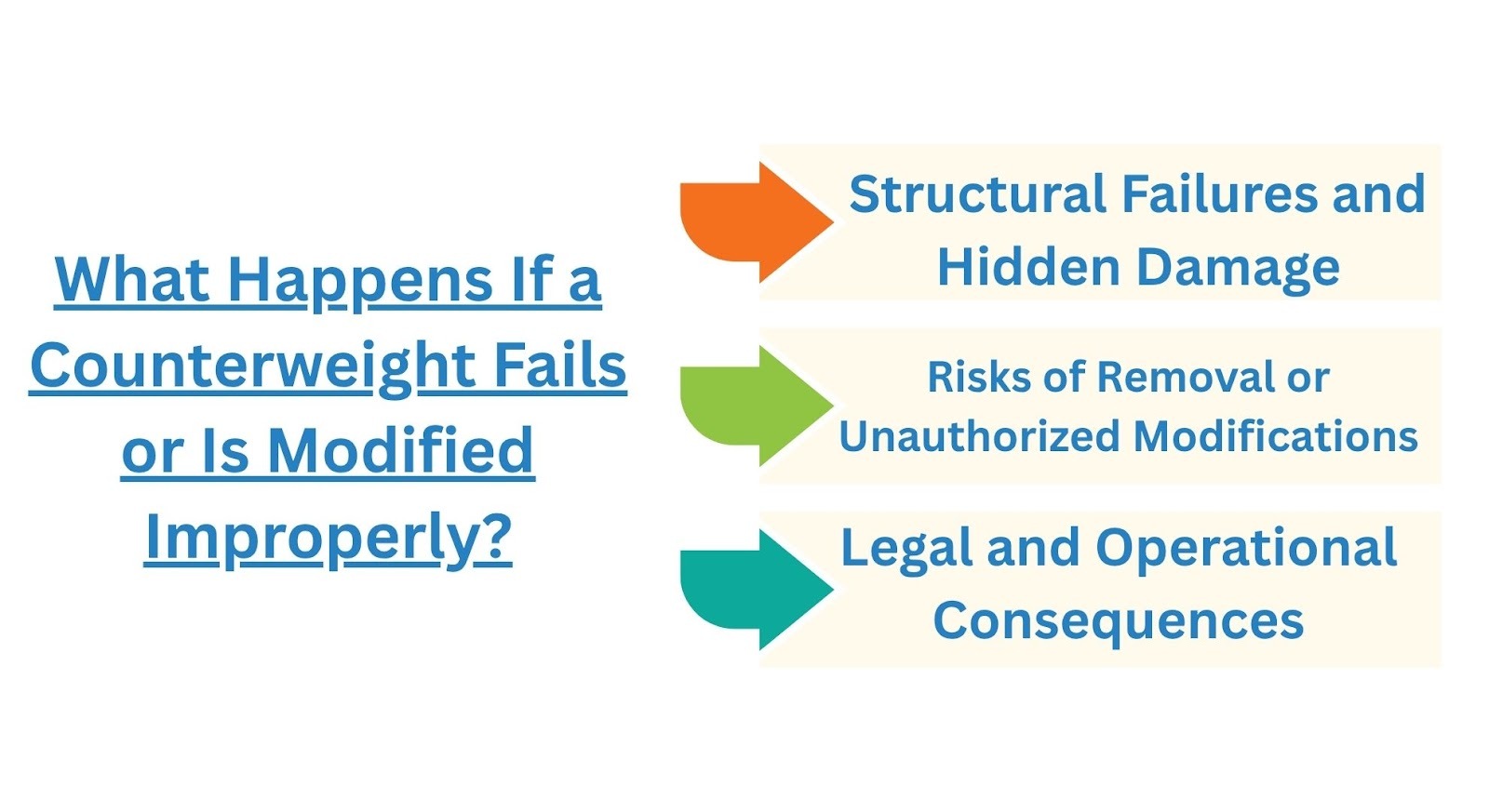
A forklift’s counterweight is a critical structural component, not just a heavy block of metal. When damaged or tampered with, it can undermine the forklift’s entire stability system.
Structural Failures and Hidden Damage
Cracks in the counterweight, corrosion from prolonged exposure to moisture, or high-impact collisions can weaken the metal’s integrity. Over time, even minor cracks can propagate and lead to catastrophic structural failure, particularly under dynamic loads or in rough terrain.
Risks of Removal or Unauthorized Modifications
Altering or removing the counterweight—even slightly—throws off the forklift’s engineered balance. The result? A shift in the center of gravity that increases the risk of forward or sideways tipping. These modifications can invalidate the manufacturer’s rated capacity and void your OSHA compliance or insurance coverage.
Legal and Operational Consequences
Using a forklift with a compromised or non-compliant counterweight can lead to serious safety violations, expensive downtime, and even criminal liability in the event of a workplace injury. Always follow OEM specifications and never attempt to “rebalance” a truck on your own.
Maintenance and Inspection Tips
To keep your forklift counterweight safe and compliant, routine inspection is key.
Exterior Checks: Cracks, Rust, and Mounting
Inspect the counterweight’s surface for visible cracks, deep rust, or impact dents, especially around the edges and corners. Check that all mounting bolts are secure and that no unusual vibration occurs during operation.
Frame and Weld Inspections
Inspect the rear frame welds and bracket areas that secure the counterweight. Over time, these points can suffer from metal fatigue or stress fractures, particularly in high-use environments or fleets with aging forklifts.
No Hidden Damage or Unauthorized Changes
Avoid painting over cracks or dents; it might hide dangerous flaws. Also, verify that no previous owners or technicians have added or removed material. Even small weight changes can compromise forklift balance.
Routine checks help prevent unexpected issues and ensure your machine operates within its rated limits.
Counterweight and Load Capacity Relationship
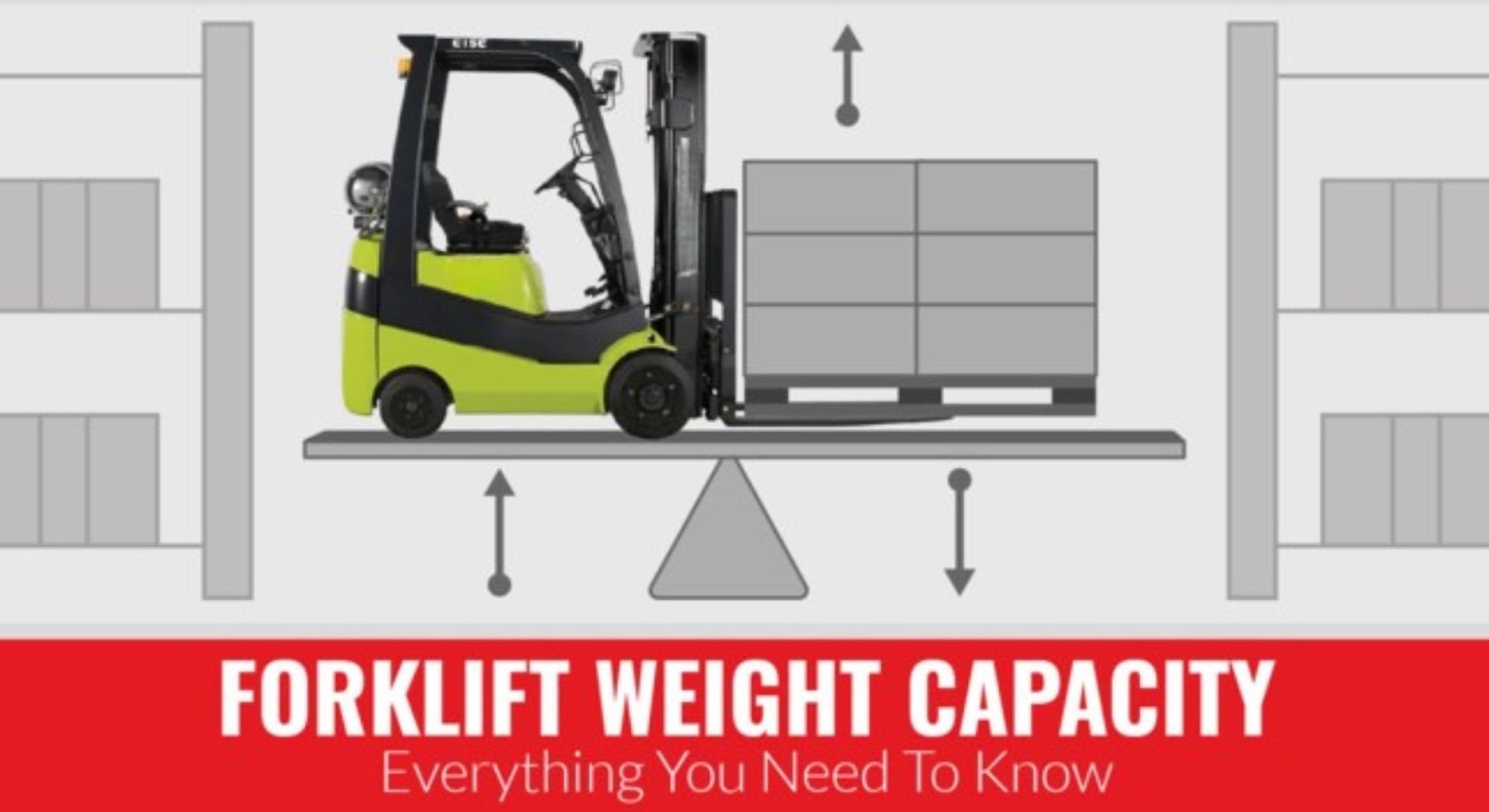
Every forklift's rated lifting capacity is based on a finely tuned relationship between the load, load center, and counterweight. The counterweight is designed to counterbalance a specific maximum load at a specific distance from the mast, typically 24 inches, known as the standard load center.
This relationship is reflected in the forklift's capacity chart, also called the data plate, which operators must understand. Even with a properly engineered counterweight, exceeding the rated load or shifting the load center forward, for example, by using longer forks or attachments, can cause the center of gravity to fall outside the stability triangle, resulting in a potentially dangerous tip-over.
It's a common misconception that a heavy counterweight compensates for any load. In reality, overloading beyond the rated capacity still compromises safety and can damage hydraulic components or the mast structure.
Operators should always verify the data plate to ensure that load weights and dimensions match the approved specifications. Respecting the engineered balance between load and counterweight is crucial for maintaining both the forklift's safety and that of your workplace.
Conclusion
The counterweight is more than just ballast; it's a core part of your forklift's engineered stability system. Whether you're turning, lifting, or parking with a load, it helps keep everything in balance. Ignoring damage, rust, or unauthorized modifications to this component can lead to serious accidents.
Regular inspections and operator awareness go a long way toward ensuring the safety of your fleet. Take a few minutes today to inspect your forklift's counterweight. If there are any signs of wear, damage, or tampering, it may be advisable to have a professional inspection.
Leave a comment
Comments may require approval prior to appearing.
Comments (0)