A forklift's hydraulic pump is the muscle behind every lift, tilt, and smooth directional shift. Whether you're stacking pallets in a warehouse or unloading freight at a dock, it's the hydraulic pump that converts mechanical power into the pressure needed to lift thousands of pounds with precision. Without a fully functioning pump, critical operations can slow down or come to a complete halt.
The fact is, hydraulic pump failure rarely occurs without warning. Most breakdowns are the result of slow, progressive issues, often detectable if you know what to look for. Noisy operation, sluggish lifting, or minor leaks might seem like small annoyances, but they often signal deeper mechanical problems that need immediate attention.
This guide will walk you through the warning signs of a failing forklift hydraulic pump, explain what causes these issues, and show you the steps to take before costly damage occurs.
What does the Hydraulic Pump do in a Forklift?
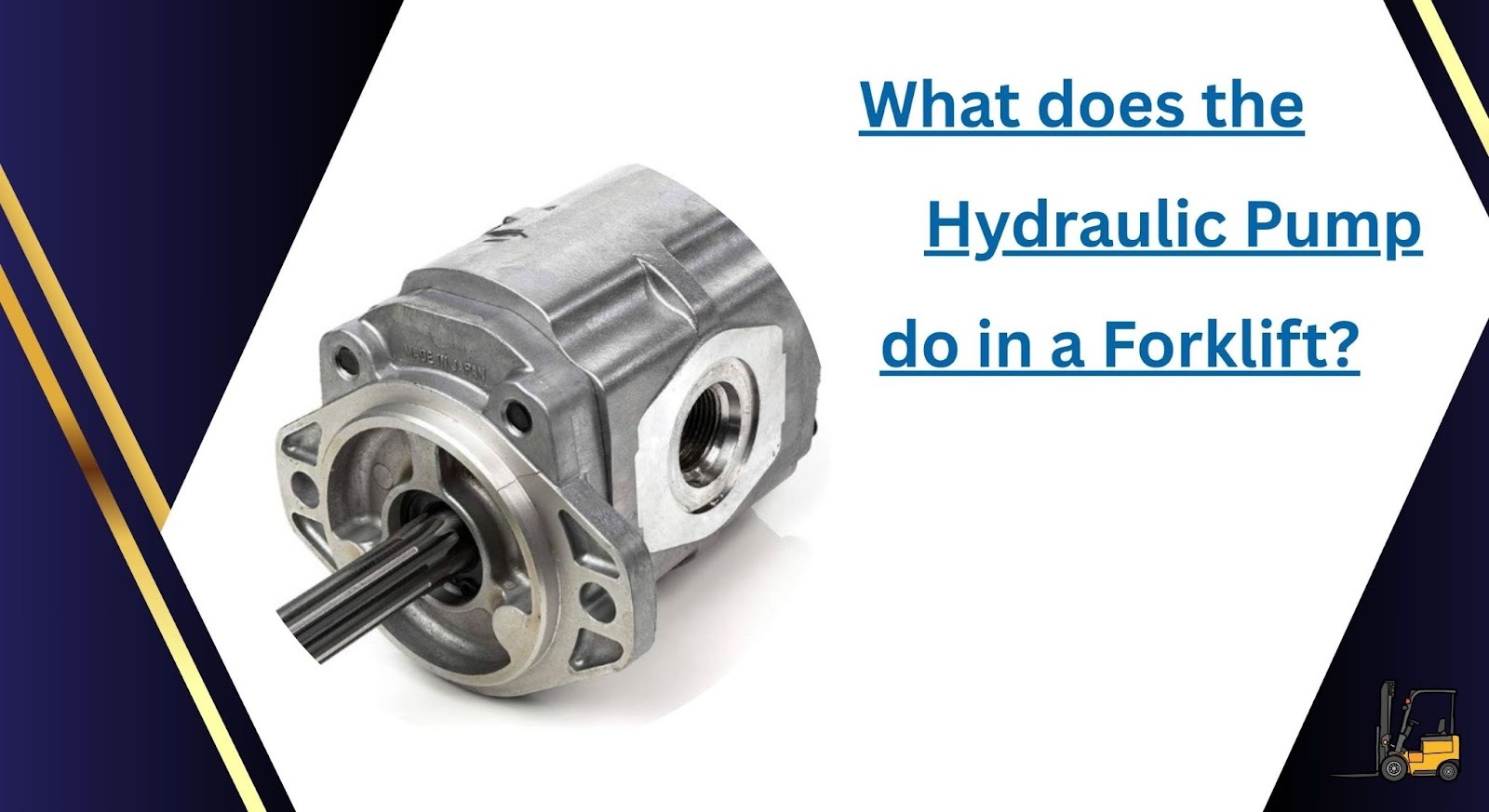
The hydraulic pump is the heart of a forklift’s hydraulic system, generating the flow and pressure required to lift loads, tilt the mast, and operate attachments like clamps or rotators. It draws hydraulic fluid from the reservoir and forces it through the system to power essential functions. Without the pump, even the most powerful forklift becomes immobile.
There are three main types of hydraulic pumps used in forklifts: gear pumps, vane pumps, and piston pumps. Gear pumps are the most common in standard forklifts due to their simplicity and durability. Vane pumps provide smoother flow, making them ideal for applications that require precise control.
Piston pumps, though more complex and costly, deliver higher pressure and are typically found in heavy-duty or high-performance models. A properly functioning pump ensures that the hydraulic system responds quickly and consistently, allowing for efficient lifting and stable operation under load.
If the pump begins to underperform, due to internal wear, contamination, or low fluid levels, it can affect everything from lift speed to directional control. In severe cases, it can compromise workplace safety by failing during a lift or causing erratic behavior.
Common Signs Your Forklift Hydraulic Pump is Failing
Hydraulic pump failure rarely happens all at once. Instead, your forklift may show early warning signs that, if ignored, can lead to costly downtime or unsafe operation. Below are key symptoms to watch for:
Unusual Noises
If you hear whining, grinding, or knocking noises when lifting or lowering, the pump’s internal components may be wearing out. These sounds often indicate air in the system, fluid contamination, or worn bearings/gears.
Sluggish Lift or Tilt
A weak or delayed hydraulic response can point to declining pump efficiency. If your lift or tilt functions take longer than usual, the system may not be generating adequate pressure.
Erratic Movements
Sudden jerking or inconsistent lift speeds can result from internal pump damage or fluctuating fluid flow. This symptom reduces load stability and increases the risk to the operator.
Leaking Hydraulic Fluid
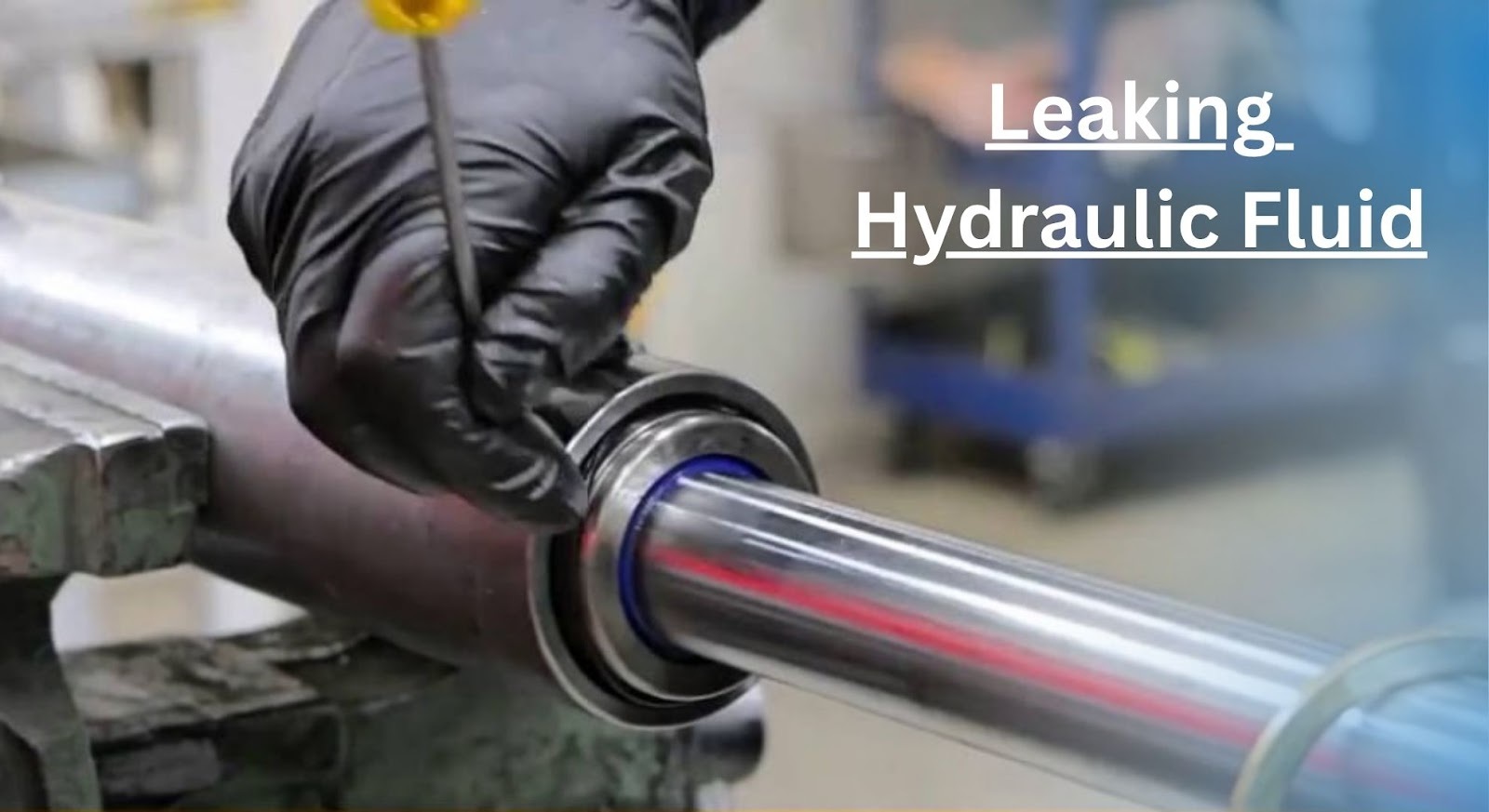
Visible leaks around pump seals, hydraulic lines, or the fluid reservoir suggest seal wear or internal cracks.
Overheating
A pump that runs unusually hot or causes elevated hydraulic system temperatures is often struggling due to internal friction, low fluid levels, or excessive work.
Low Pressure Readings
Consistently low pressure on a hydraulic test gauge or warning lights on the dash can signal pump wear, suction issues, or a clogged filter.
What Causes Hydraulic Pump Failures?
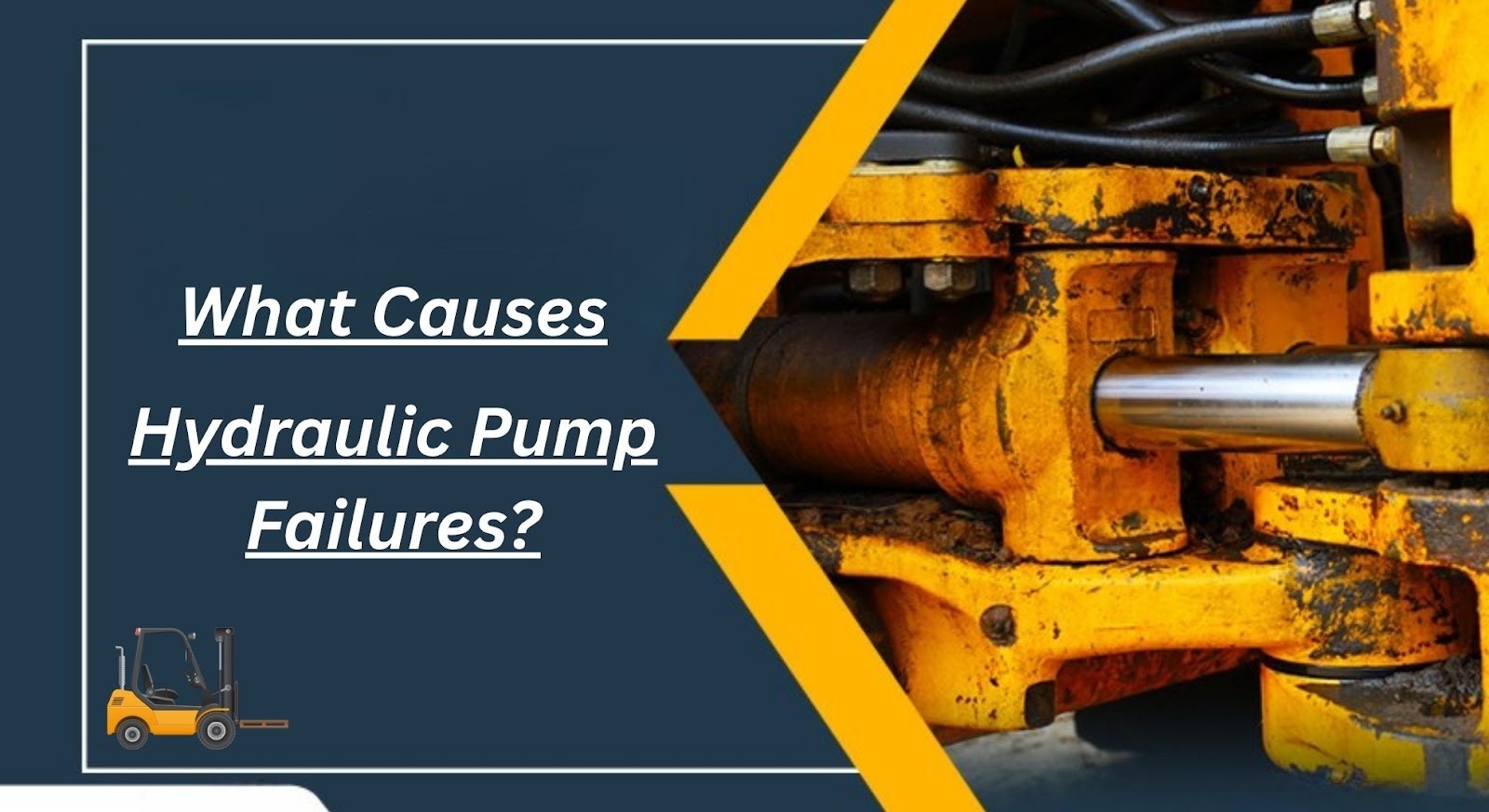
Forklift hydraulic pumps are designed for a long service life, but several issues can significantly reduce their lifespan. Understanding the root causes helps prevent unexpected breakdowns:
Contaminated Hydraulic Fluid: Dirt, metal shavings, or water infiltration can damage internal pump components, reducing efficiency. These contaminants often enter through worn seals, poor fluid storage practices, or skipped maintenance.
Lack of Regular Maintenance: Failing to perform scheduled fluid checks or filter replacements puts your hydraulic system at risk. Dirty filters restrict flow, increasing strain on the pump.
Incorrect Fluid Type: Using the wrong viscosity or incompatible hydraulic fluid can lead to overheating, improper lubrication, and pump cavitation.
Worn Seals or Internal Damage: With age or exposure to high pressure and temperature swings, seals degrade, leading to fluid leaks, suction loss, and internal scoring of pump surfaces.
Running Pump Dry: Operating the forklift with low or no hydraulic fluid results in immediate wear and tear. It causes excessive friction, overheating, and sometimes complete failure in just minutes.
How to Troubleshoot a Bad Forklift Hydraulic Pump?
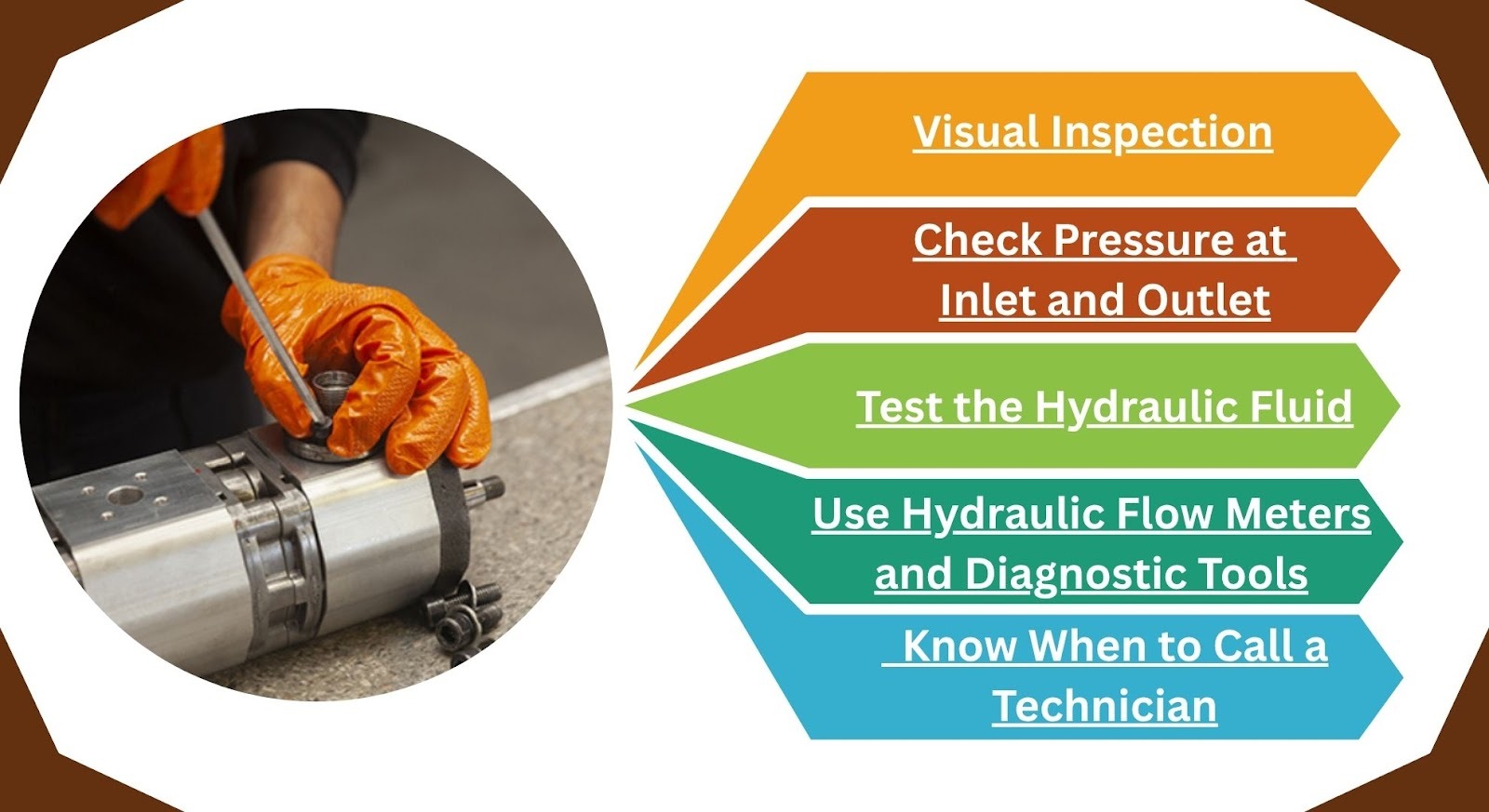
Before replacing a suspected bad hydraulic pump, a thorough troubleshooting process can confirm the issue and sometimes resolve it without a full replacement.
1. Visual Inspection
Check for hydraulic fluid leaks, especially around seals or connections.
Listen for unusual noises, such as whining or knocking.
Look for fluid discoloration or frothing (indicating contamination or air).
Feel for abnormal vibrations during operation.
2. Check Pressure at Inlet and Outlet
Compare actual readings to the forklift's service manual specs.
Low outlet pressure may suggest internal pump wear or a clogged relief valve.
3. Test the Hydraulic Fluid
Smell for burnt odors.
Inspect for cloudiness, metal particles, or signs of emulsified water.
Consider a lab test for contamination if your fleet shows repeated issues.
4. Use Hydraulic Flow Meters and Diagnostic Tools
These tools measure the amount of fluid being delivered under load, an essential test for aging pumps.
5. Know When to Call a Technician
If issues persist after fluid changes and pressure checks, it's time to bring in a hydraulic specialist.
Internal scoring or gear/piston failure usually requires professional diagnostics or a full rebuild.
Repair or Replace? Making the Right Call
When a forklift’s hydraulic pump starts showing signs of trouble, the big question becomes: can it be repaired, or is a full replacement the smarter option?
Repairs Make Sense When:
The issue is limited to seal wear, minor leaks, or gasket failures.
A rebuild kit can restore function without requiring the disassembly of the entire system.
You catch the problem early, before internal scoring or significant wear occurs on the part.
Replacement Is More Cost-Effective When:
The pump has excessive internal damage or repeatedly fails under load.
It’s nearing the end of its expected service life.
You’ve already invested in multiple minor repairs with no lasting results.
A newer model offers higher efficiency or compatibility with modern hydraulic setups.
Don’t overlook downtime costs, especially in multi-shift operations. A replacement may seem expensive, but extended forklift outages can result in thousands of dollars in lost productivity.
How to Prevent Hydraulic Pump Failure?
A proactive maintenance approach can dramatically reduce the chances of hydraulic pump failure and extend the lifespan of your forklift’s entire hydraulic system.
Routine Fluid Checks and Filter Changes
Keep your hydraulic oil clean and at the proper level. Clogged filters or dirty fluid quickly degrade pump performance.
Use Manufacturer-Approved Hydraulic Oils
Always follow the recommended oil grade and viscosity for your specific forklift make and model. The wrong oil can cause internal wear and overheating.
Scheduled System Inspections
Especially in high-load environments or harsh operating conditions, regular inspections help identify problems early, preventing damage from spreading.
Employee Training
Operators should be able to identify abnormal noises, sluggish responses, or pressure changes and report them immediately. Proper operation also reduces strain on the pump.
By incorporating hydraulic health into your preventive maintenance plan, you’ll reduce emergency repair costs and keep your forklifts working at full capacity.
Conclusion
Hydraulic pump issues rarely happen overnight. Common symptoms, such as unusual noises, sluggish lift response, leaks, or overheating, are early warnings that shouldn’t be ignored.
With routine fluid checks, scheduled inspections, and proper training, you can avoid most pump failures and reduce costly downtime. If your forklift is already showing signs of hydraulic trouble, take action now.
Leave a comment
Comments may require approval prior to appearing.
Comments (0)