Summary
Forklifts are essential equipment in warehouses, distribution centers, and construction sites. They move heavy loads, stack pallets, and streamline operations. However, ensuring that these machines perform safely and efficiently is a critical responsibility for operators and business owners. One of the most vital components of maintaining a forklift’s safety and functionality is conducting regular forklift load testing.
In this blog, we’ll explore the importance of forklift load testing, how it works, and why it is crucial for preventing accidents, prolonging the lifespan of your forklift, and ensuring a safer working environment. At Lift Parts Warehouse, we understand the importance of keeping forklifts in peak condition. That’s why we offer a wide selection of forklift parts to help you maintain the equipment that keeps your business running smoothly.
What is Forklift Load Testing?
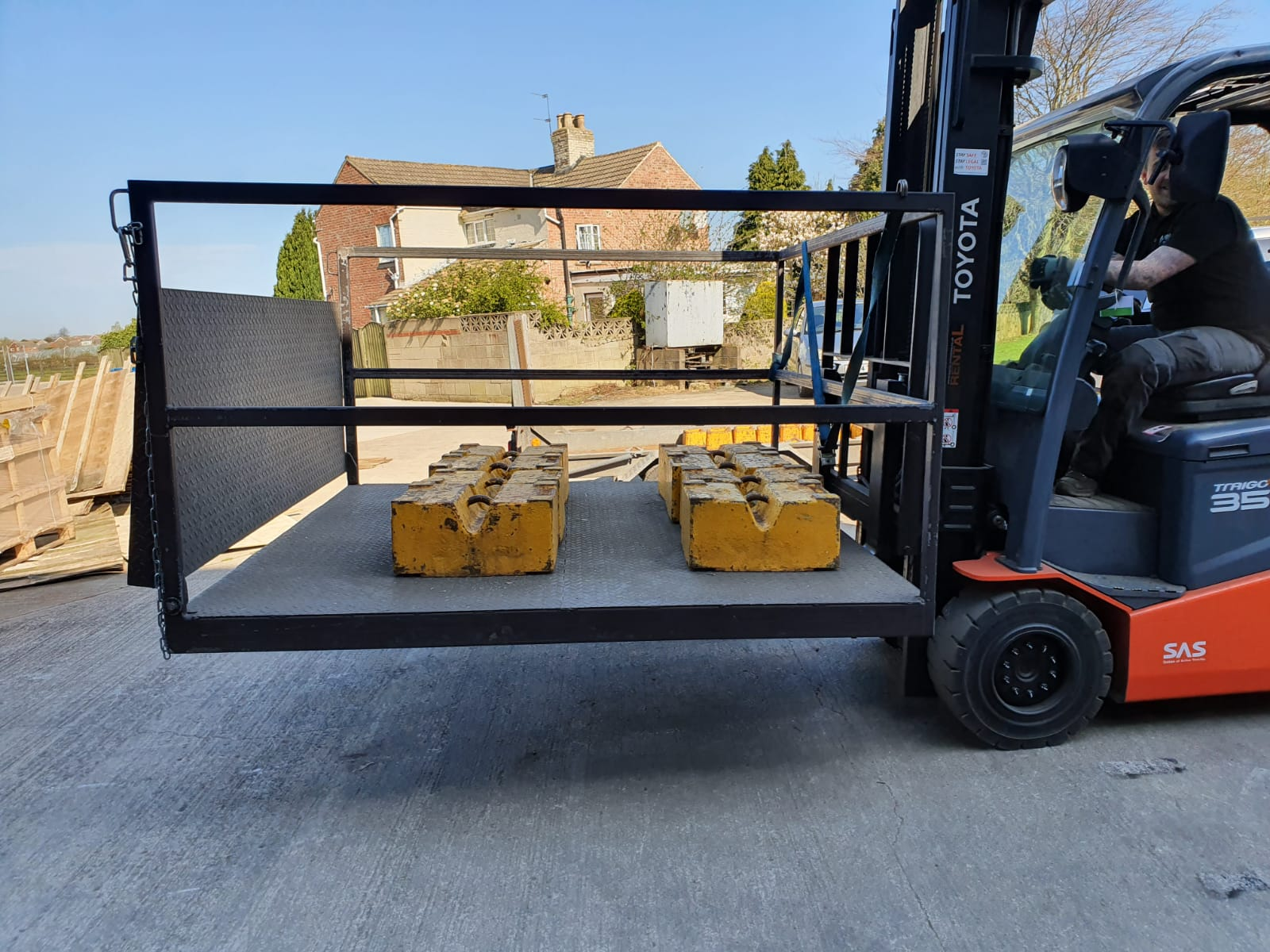
Forklift load testing evaluates a forklift's lifting capability by testing it with a specific load weight. This testing ensures that the forklift can handle the weight it is rated to carry safely and effectively. Load tests are typically done to ensure that a forklift's lifting capacity meets the manufacturer’s specifications. It also verifies that the equipment's structural components, such as the mast, forks, and lifting mechanisms, are in optimal condition.
The load testing process generally involves placing a weight equal to or slightly above the forklift’s rated capacity and operating the machine to check its ability to handle the load. The test helps determine how the forklift performs under strain and whether it maintains stability, lifting height, and proper maneuverability.
Why is Forklift Load Testing Important?
Ensures Safety
Forklifts are powerful machines that can lift and transport heavy loads, but this power comes with a significant responsibility. Overloading a forklift or using one that has not been properly tested can lead to accidents that may cause injuries or even fatalities. When a forklift’s load capacity is not accurately verified, there is a risk of tipping, damage to the load, and other dangerous situations.
By conducting load tests, you can ensure that your forklift can handle the loads you intend to carry. This helps protect your employees and prevents potential property damage and product loss. A regularly tested forklift is less likely to malfunction, contributing to a safer workplace for everyone involved.
Prevents Forklift Failure
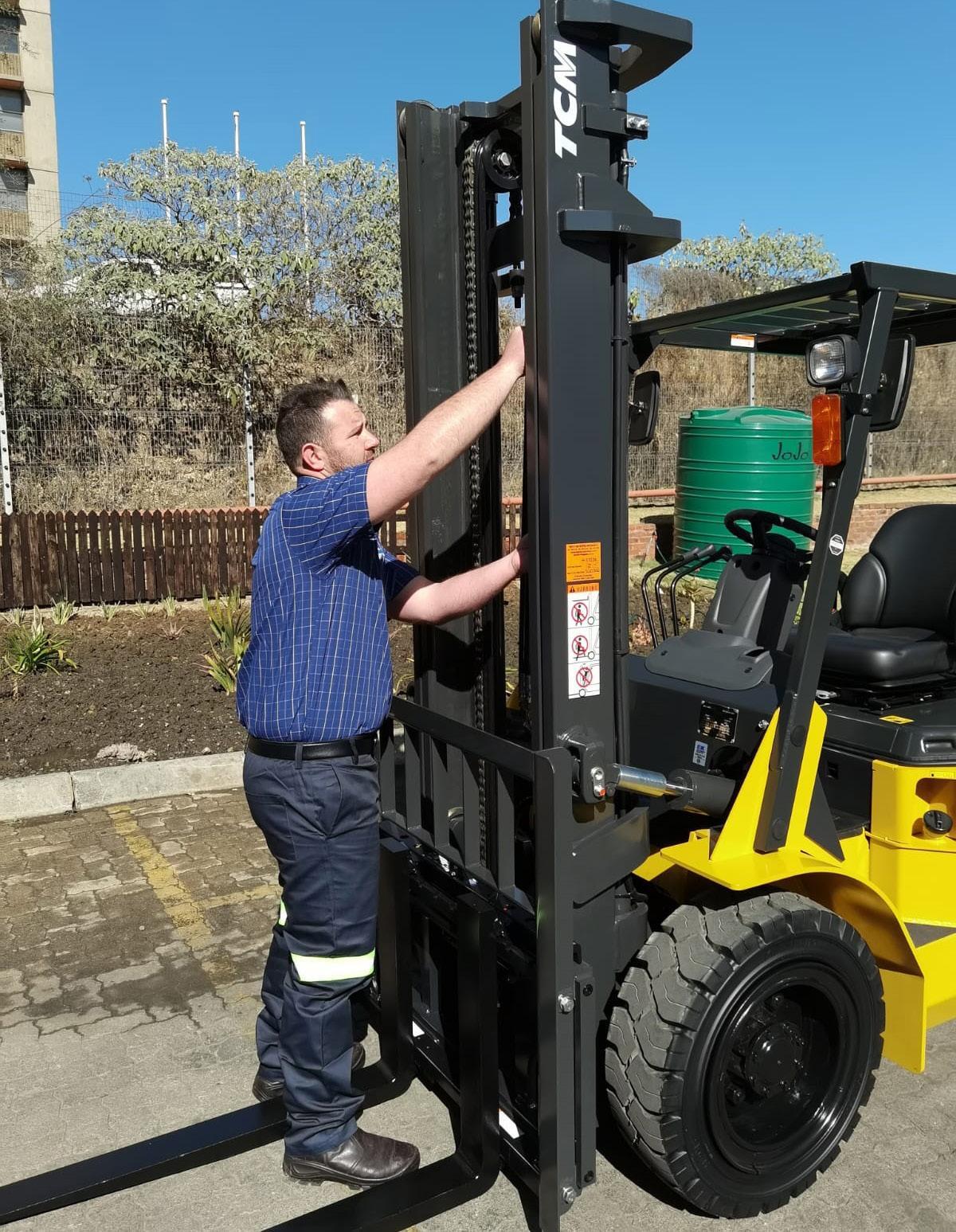
Forklifts are complex machines with several moving parts. If these parts, such as the lifting mechanism, forks, or mast, are overexerted beyond their rated capacities, they can experience undue wear and tear. It can lead to premature failure of the forklift’s critical components. Forklift failure not only causes downtime but can also result in costly repairs.
Load testing ensures the forklift operates within its intended limits and helps identify issues before they cause major damage. For example, if a component fails or the forklift is not lifting as expected, a load test can highlight these problems early on, allowing for timely repairs. Regular testing is a proactive approach that can save businesses money in the long run by preventing expensive repairs and ensuring that the forklift operates efficiently.
Compliance with OSHA Regulations
In many jurisdictions, including the United States, forklift load testing must comply with safety regulations. The Occupational Safety and Health Administration (OSHA) mandates that forklifts be load-tested to meet the required standards. Failing to perform load tests regularly could violate safety laws and regulations, which may result in fines or penalties for businesses.
OSHA guidelines state that forklifts should undergo load testing when they are first put into service, when they are being used for a different purpose than originally intended, or after they have been repaired. Maintaining compliance with these regulations is important not only for avoiding legal repercussions but also for safeguarding the health and well-being of employees. Forklifts that meet the required testing standards are less likely to pose safety risks.
Prolongs the Lifespan of Your Forklift
Just as regular maintenance helps extend the lifespan of your forklift, load testing is another crucial factor in ensuring the longevity of your equipment. A forklift that consistently operates within its rated capacity will experience less wear on its components. However, incorrectly overloading or using the forklift can cause excessive stress on its structure, resulting in a shorter operational lifespan.
By regularly conducting load tests, you can identify early warning signs of wear and tear, allowing you to address issues before they cause major damage. For example, if the forklift begins to show signs of instability or cannot lift a load properly, this could indicate that the lifting mechanism or other components need attention. Performing load tests helps ensure that your forklift remains in top condition for as long as possible, which helps reduce the need for premature replacements.
Improves Productivity
When forklifts are properly load tested and functioning at their best, they can perform tasks more efficiently. Employees can move heavy loads quickly, reducing downtime and increasing productivity. A forklift that can lift the correct weight at the desired height and move loads without issues will speed up material handling processes.
By performing regular load tests, you ensure that the forklift is safe and capable of handling heavy loads without compromising performance. This boosts productivity, as operators can trust the equipment to work effectively throughout the workday. Moreover, when forklifts are in good working condition, they are less likely to experience unexpected breakdowns, which can cause delays and halt operations.
Reduces the Risk of Tipping
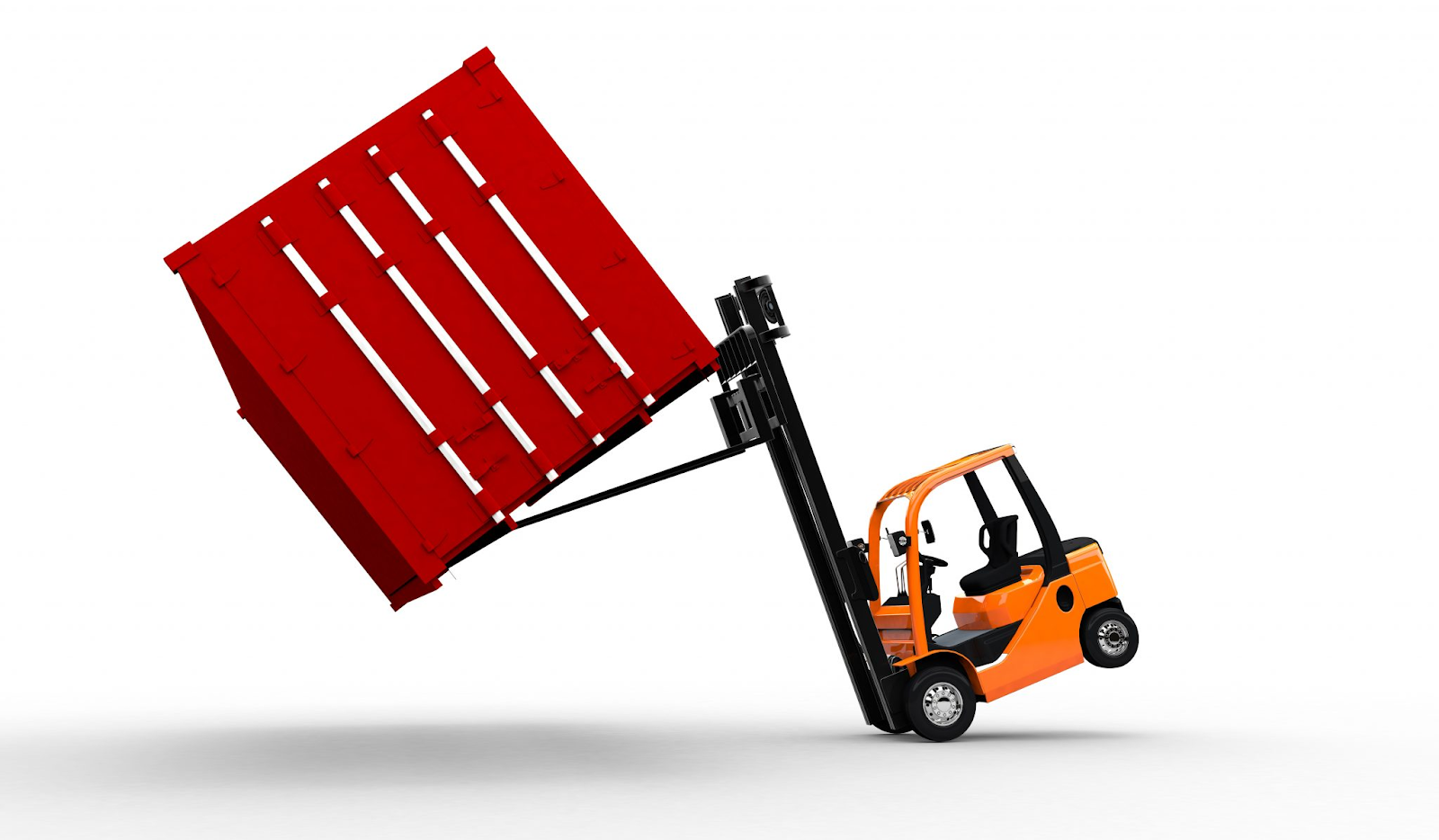
One of the most dangerous hazards when operating a forklift is the risk of tipping. Forklifts are top-heavy machines, and improper loading or overloading can easily result in the machine tipping over. This can cause serious injuries or fatalities, as well as damage to products and equipment.
Load testing helps determine whether the forklift can handle specific weight loads without compromising stability. If a forklift shows signs of instability during the load test, it may not be suitable for carrying that weight, and adjustments can be made. By conducting load tests, you can mitigate the risk of tipping, ensuring that operators can move heavy loads safely without endangering themselves or others.
Takeaways
- Forklift load testing is a crucial practice that should never be overlooked.
- It is an essential step in ensuring your forklift's safety, performance, and longevity and complying with safety regulations.
- Regular load testing prevents accidents, reduces the risk of equipment failure, and helps businesses save on costly repairs and downtime.
- Lift Parts Warehouse offers high-quality forklift parts to keep your equipment in top condition.
- Whether you need replacement parts or want to upgrade your forklift’s components, we have the parts and expertise to support you.
- Remember, a well-maintained forklift is a safer, more productive forklift—so schedule regular load tests and invest in the proper parts to keep your operations running smoothly.
Visit Lift Parts Warehouse today for more information on forklift parts, safety equipment, and load testing. Your safety and efficiency are our top priorities.
Leave a comment
Comments may require approval prior to appearing.
Comments (1)
Michelle Catapang - May 30, 2025, 5:04 AM